
Painsomnia & The Surprising Consequences for Long-Term Sleep Loss
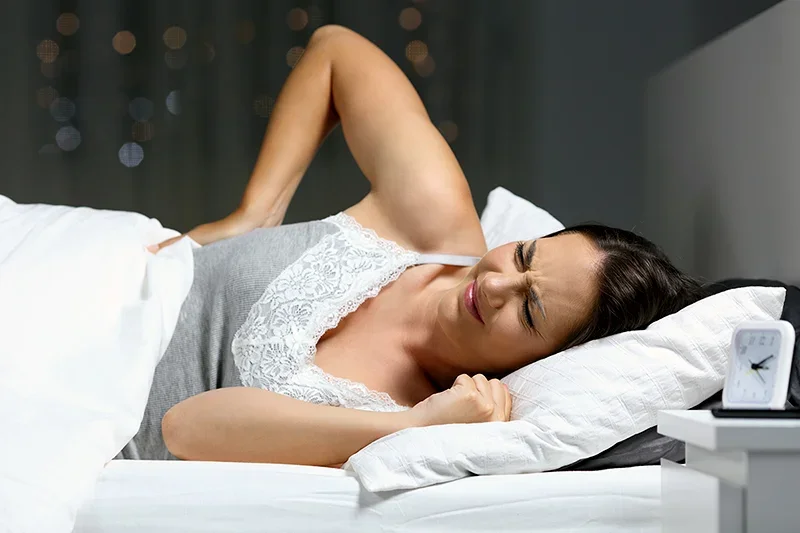
For those who live with chronic pain – whether due to injury, aging, medical condition or a combination of these – painsomnia can be an exhausting, repetitive experience. And it’s just like it sounds – “painsomnia” is the combined name for the inability to sleep due to pain.
While the name may sound amusing, the condition is anything but. Chronic pain sufferers, how many nights have you laid awake trying to find the best way to sleep with back pain? Or the best position for sleeping with neck pain or leg pain?
If this sounds like you, you’re not alone. Research shows you have a lot of company, and there are steps you can take to break up the pain/sleep duo.
72% of Those with Chronic Pain Affected
Many US adults report losing sleep periodically. In fact, in a 2020 study conducted by the National Sleep Foundation, 40% of Americans said poor or insufficient sleep affected their activities at least occasionally within a given week.
Yet those living with chronic pain report that their sleep is interrupted on a routine basis. As evidence, an analysis from 2018 found a high prevalence of sleep disorders in people with chronic pain. In fact, 72% of chronic pain sufferers also experience insomnia. Other research shows that those with both chronic pain and sleep problems are likely to have more severe pain, a longer duration of pain and greater disability than those without sleep disturbance.
Says sleeping disorder specialist Dr. Timothy Roehrs (PhD), “Clinicians and pain sufferers know that pain and sleep problems present together and aggravate each other.”
Fatigue is Only the First Step
No one should be shocked to learn that painsomnia has the potential to result in chronic fatigue. What may be surprising, however, is that there are additional consequences of long-term sleep loss that could have other, more serious impacts.
Beyond just being tired, long-term sleep deprivation can lead to:
Higher Stress Levels – Research has shown that sleep deprivation alters the brain’s emotional regulation, amplifying negative emotions and heightening the reactivity to stressors. Consequently, individuals who experience chronic sleep deprivation may find it increasingly difficult to manage stress effectively.
Reduced Productivity – In a 2025 Sleep in America Poll®, 58% said not getting enough sleep negatively affects their work productivity. Another 58% said insufficient sleep makes it difficult to handle their workload and complete tasks without mistakes.
Poorer Overall Health – Long-term sleep loss can contribute to several diseases, including obesity, diabetes, heart disease and hypertension. Insufficient sleep can also lead to mood disorders and lower immune function.
Paths to Relief
From medical conditions like arthritis to musculoskeletal pain caused by injury, the root cause of pain-driven sleep loss can have a variety of origins. Luckily, despite the cause, research suggests there is hope for achieving some relief.
A list of well-known sleep interventions include relaxation, mindfulness, physical therapies and exercise. One article also suggests that motivation can play a role. That is, being motivated to improve sleep can help increase one’s adoption of better sleep habits. The American Academy of Sleep Medicine offers these tips for better sleep hygiene:
Establish a sleep-wake schedule and stick to it.
Establish a relaxing bedtime routine – like yoga or light stretching.
Make your bedroom quiet and relaxing. Keep the room at a comfortable, cool temperature.
Limit exposure to bright light in the evenings.
Turn off electronic devices at least 30 minutes before bedtime.
Don’t eat anything more than a light, healthy snack close to bedtime.
Avoid consuming caffeine in the late afternoon or evening.
Avoid consuming alcohol before bedtime.
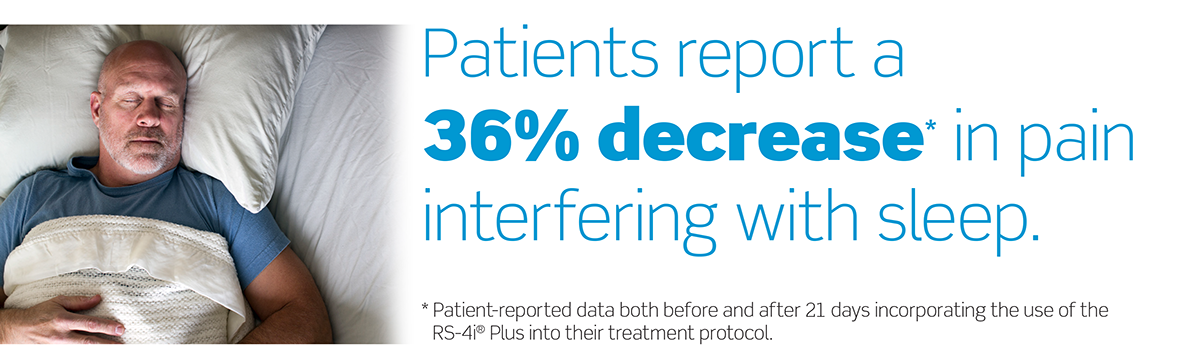
Beyond sleep hygiene, specific treatments can provide benefit as well. Statistics collected by RS Medical on over 30,000 patients who have used the RS-4i® Plus reveal that patients with musculoskeletal pain experienced a 37% improvement in sleep after 30 or more days of treatment.
The Take-Away
Experts suggest taking an active role in managing your pain, as putting that off can make things worse. If you haven’t seen your health care professional recently about your painsomnia, it could be worth the trip. A few questions to consider discussing include:
What’s the best sleep hygiene program for your condition and needs?
Is there a medication or herbal supplement that might help?
Could therapies like massage or acupuncture, or yoga help your condition?
Could an electrotherapy device provide relief for your condition?
A Closer Look at the RS-4i Plus
The RS-4i Plus is an advanced home-use electrotherapy device that combines high frequency (5000 Hz) Interferential Therapy (IFT) for long-lasting pain relief, with Neuromuscular Electrical Stimulation (NMES) for muscle rehabilitation. Patented Intersperse technology delivers both IFT and NMES during the same, uninterrupted treatment session. This excites the body’s natural beta-endorphin production to relieve pain for up to 8 hours, and provides rehabilitative muscle therapy that reduces muscle spasms, increases circulation and prevents disuse atrophy.
Take the Next Step
Healthcare Practitioners
If you are interested in a more detailed review of the RS-4i Plus mechanisms of action and clinical evidence, we invite you to request a demonstration.
Patients
The RS-4i Plus requires a prescription. If you are interested in discussing this drug-free pain relief solution with your healthcare practitioner, download our patient discussion guide to help start a conversation.