
When is a Spinal Cord Stimulator Implant the Right Choice?
When is a Spinal Cord Stimulator Implant the Right Choice?
You may have seen reports online or in the news about spinal cord stimulator implants injuring some patients. These medical devices can certainly be appropriate for some long-term, chronic pain cases as a last-resort option. Yet, given the associated health risks, you may first want to consider other less invasive electrotherapy options for chronic pain treatment.
Not All Electrotherapy Devices are the Same
The first thing to know is that not all electrotherapy pain relief devices are the same. There are three primary types to consider:
Surface stimulation devices
Percutaneous devices
Surgically implanted devices
Implanted Devices Pose the Highest Degree of Risk
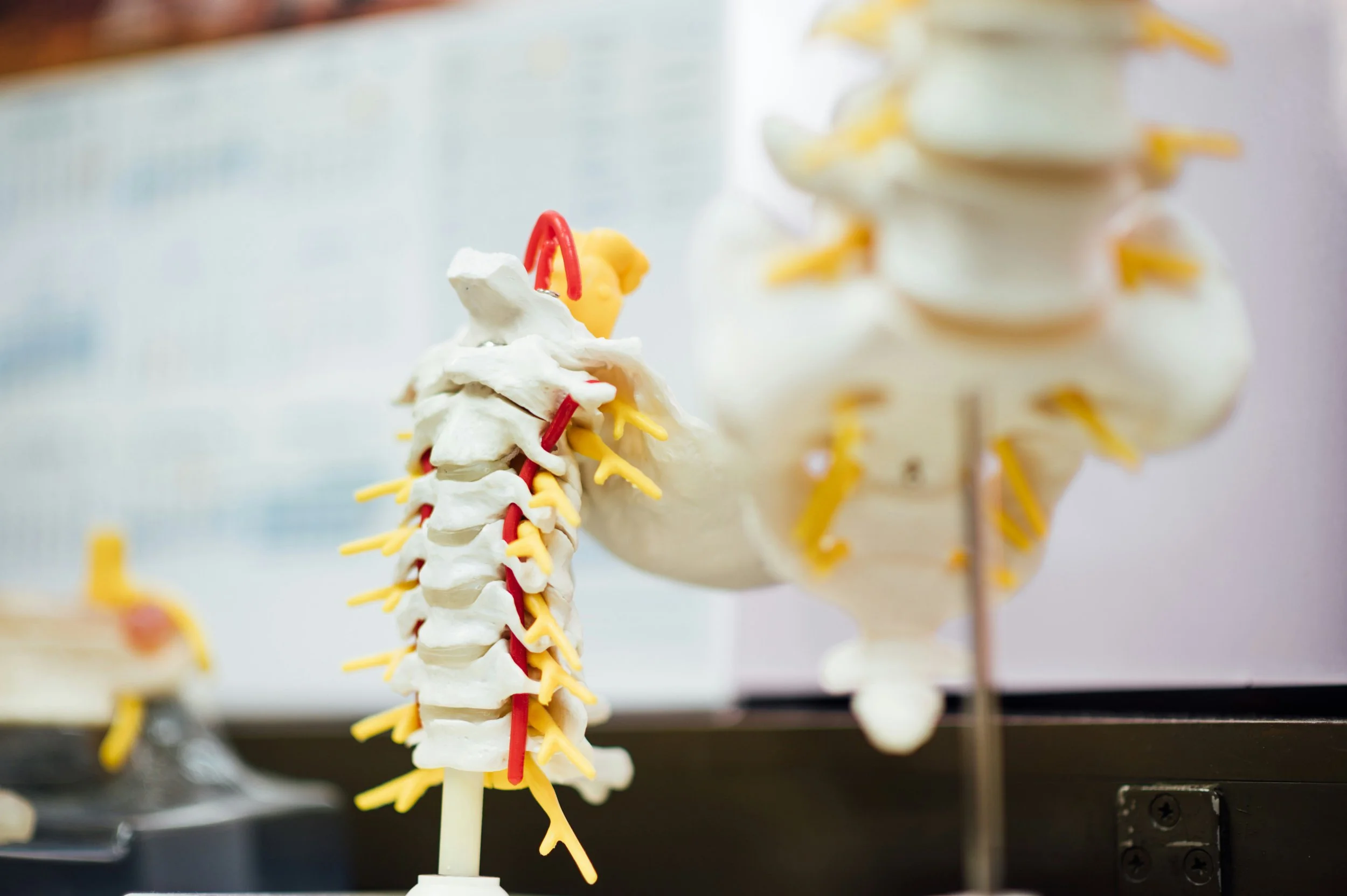
Spinal cord stimulators, also called “implantables,” are the most invasive form of electrotherapy because they involve surgically embedding a stimulator beneath the skin. During this procedure, the surgeon makes an incision to place the leads (medical wires) that deliver electrical stimulation into the epidural space of the spinal cord. A second incision is also made to create a pocket under the skin for the stimulator.
Because any surgery presents risk, of the electrotherapy options available on the market today, spinal cord stimulators present the greatest risk and highest cost – typically $30,000 to $50,000 for the initial surgery, plus ongoing maintenance.
Percutaneous is Less Invasive & Less Risky
Percutaneous stimulation is considered moderately invasive. It involves using electrode pads with tiny needles that penetrate through the skin to deliver electrical stimulation. The electrode pads are usually single-use to ensure safe hygiene, and a prescription is required.
The annual cost of percutaneous stimulation is far less than the cost of an implanted stimulator, and would be determined by the device used and the area treated. This treatment method can be appropriate for patients who suffer from complex pain symptoms that don’t respond to less invasive therapies, yet it still poses the risks of localized skin irritation and infection.
Surface Stimulation Electrotherapy – Lowest Risk & Cost
Finally, surface stimulation is the most basic form of electrotherapy – where electrode pads are placed on the skin and electrical signals are transmitted through it to underlying tissue. Surface stimulation is non-invasive and the most cost-effective form of electrotherapy pain relief for the musculoskeletal system. From a hazard perspective, these devices also offer the lowest risk, as they don’t break the skin or require a surgical procedure.
There are many types of surface stimulation devices available today. Some are sold directly to patients over the counter. More full-featured and powerful devices are prescribed by physicians. Electrodes are typically useful for 30 days, making annual usage cost for a prescription-level device affordable. The RS-4i® Plus with Intersperse is an example of a surface stimulation electrotherapy device. It’s typically covered by VA insurance, and some Workers’ Compensation and Personal Injury insurances, and has delivered proven results for over 30,000 patients.
Tips for Talking to Your Healthcare Provider
Many patients with chronic pain struggle to find a long-term solution. While medications can be a common first line of defense, the often disappointing results and potential side-effects are serious considerations. Electrotherapy is a viable solution for pain relief that patients can self-manage in the privacy of their home.
If you suffer from chronic pain of the musculoskeletal system and wish to consult with your healthcare provider about the various electrotherapy device options, here are some questions to ask:
What are the best options for relieving my pain at home without medication?
Which option is likely to address my pain while incurring the least amount of cost or risk?
Before we implant a surface stimulator, tell me about your experience with surface stimulation devices.
A Closer Look at the RS-4i Plus
The RS-4i Plus is an advanced home-use electrotherapy device that combines high frequency (5000 Hz) Interferential Therapy (INF) for long-lasting pain relief, with Neuromuscular Electrical Stimulation (NMES) for muscle rehabilitation. Patented Intersperse technology delivers both INF and NMES during the same, uninterrupted treatment session. This excites the body’s natural beta-endorphin production to relieve pain for up to 8 hours, and provides rehabilitative muscle therapy that reduces muscle spasms, increases circulation and prevents disuse atrophy.
Take the Next Step
Healthcare Practitioners
If you are interested in a more detailed review of the RS-4i Plus mechanisms of action and clinical evidence, we invite you to request a demonstration.
Patients
The RS-4i Plus requires a prescription. If you are interested in discussing this drug-free pain relief solution with your healthcare practitioner, download our patient discussion guide to help start a conversation.