

Shondra’s Story: Recovering from a Car Accident with the RS-4i® Plus
What started as a normal day quickly turned into a painful recovery journey for Shondra after a near collision with a city bus left her dealing with severe back pain and limited mobility. Diagnosed with a lumbar strain, she struggled with everyday activities and searched for ways to support her recovery. Shondra shares how the RS-4i® Plus became part of her treatment plan and helped her work toward getting back to the activities she enjoys most.

6 Benefits of Adding Electrotherapy to Workers’ Compensation Treatment Plans
Musculoskeletal disorders are a common result of work-related injuries, and since cases can take months or even years to resolve, therapies that keep patients engaged in their treatment plans between appointments can help maintain positive momentum. If home-use electrotherapy from RS Medical is not currently part of your treatment approach, the following reasons highlight why it should be.
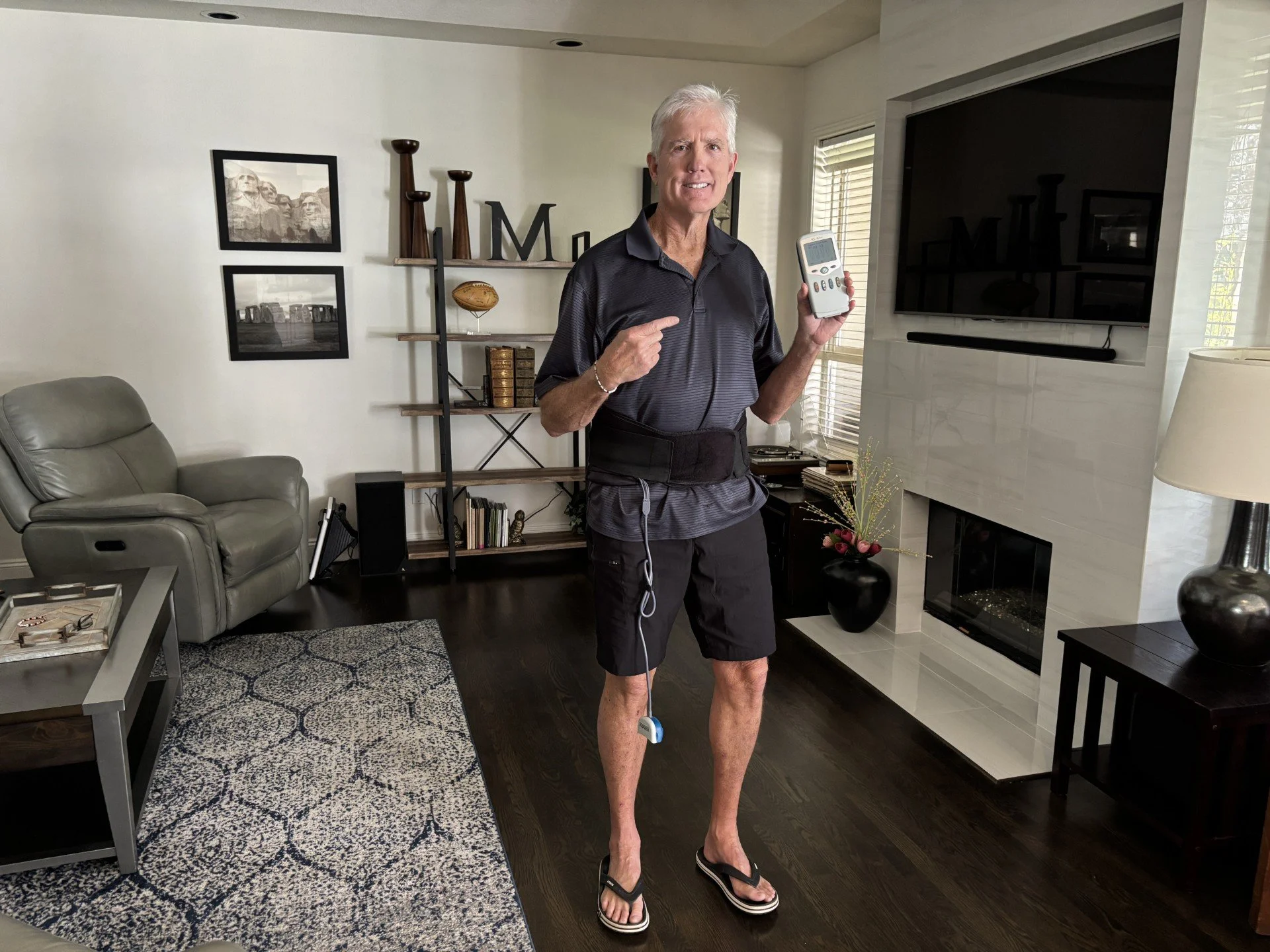
Gary’s Story: Managing Pain and Stiffness from Parkinson's Disease
For Gary, movement has always been part of life. From playing high school basketball to coaching multiple sports and teaching for over 30 years, staying active has always been part of who he is. But over time, persistent back pain and a later diagnosis of Parkinson’s disease made even simple daily movements more difficult.
Today, Gary has found a routine that helps him start his day with more control and less stiffness.
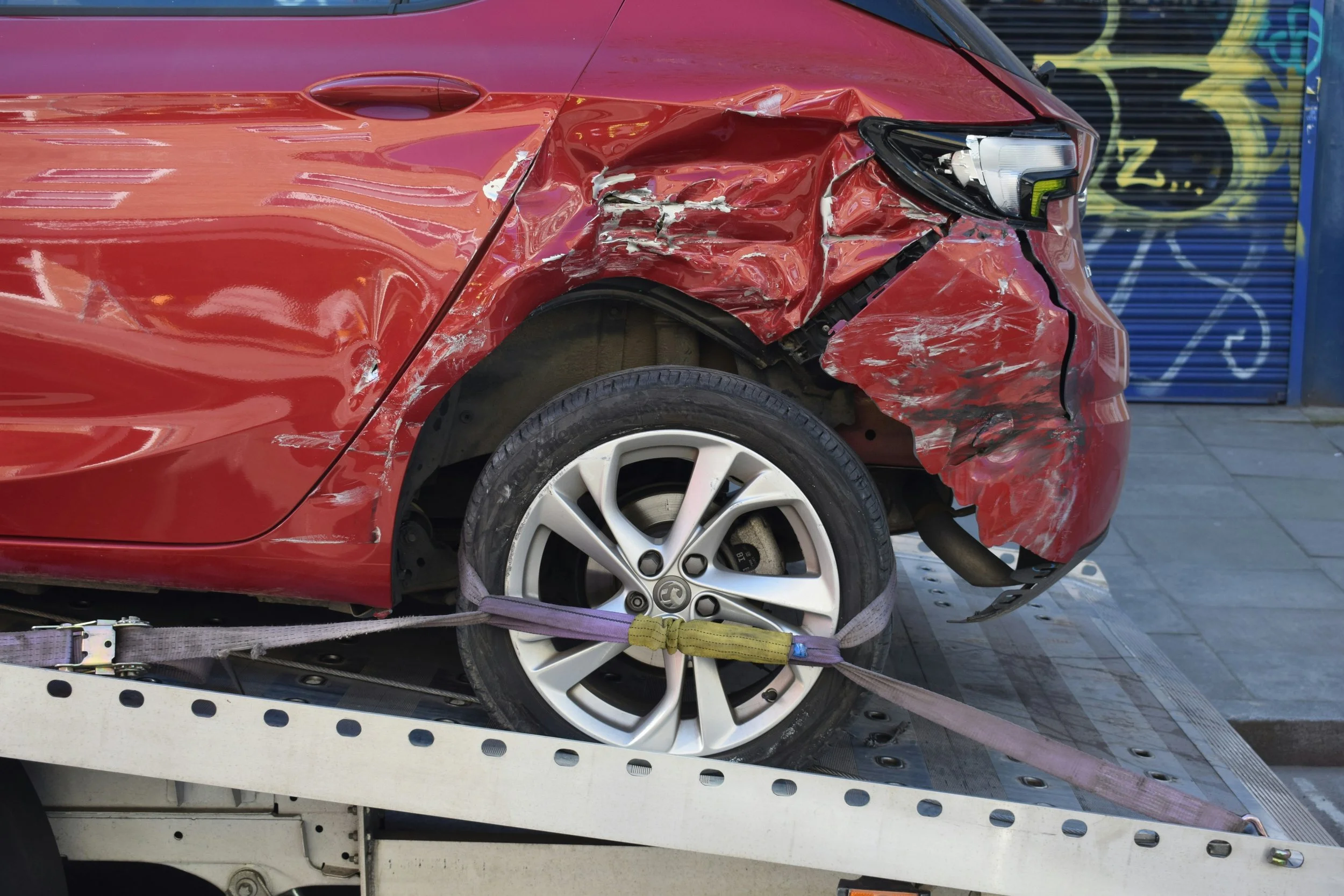
6 Benefits of Adding Electrotherapy to Personal Injury Treatment Plans
Personal injury cases can take months or even years to resolve, making consistent treatment especially important for positive patient outcomes. Therapies that keep patients engaged in their treatment plans between appointments can help maintain positive momentum. Home-use electrotherapy is one such option that can be integrated alongside physical therapy, chiropractic care and other standard interventions.

Recommended by Those Who Matter Most: Patients Like You
Since our founding in 1990, we’ve helped more than 1.5 million patients find relief and rehabilitation. Hear from five of those patients, all US Veterans, who share their unique experience with the RS-4i Plus and reflect on how it has brought relief, agency and normalcy back to their lives.

How to Compare Electrotherapy Devices: Review of Signal Type
From TENS to IFT and NMES to Galvanic, how does one decide which unit will be best? Knowing that electrotherapy signals are “tuned” for different purposes – for instance, causing a muscle to contract or preventing a nerve from transmitting pain signals – presents a guide to understanding the therapeutic value of each. This is also the first step to determining the device that’s the optimal fit.
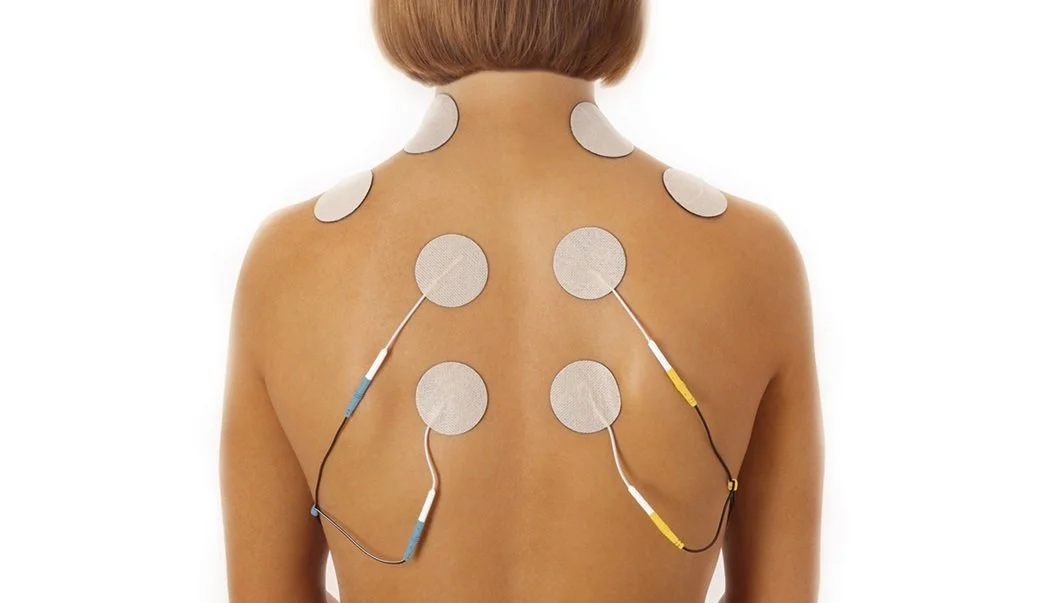
How to Compare Electrotherapy Devices: Review of Therapeutic Functions
Deciding which electrotherapy unit is the “right” choice for a patient’s pain relief and/or muscle rehabilitation can be a daunting task. This article focuses on therapeutic function as a method for evaluating units. That is, which natural body processes can be triggered by the use of electrotherapy. Having this information offers a way to begin discerning the best choice for the patient.
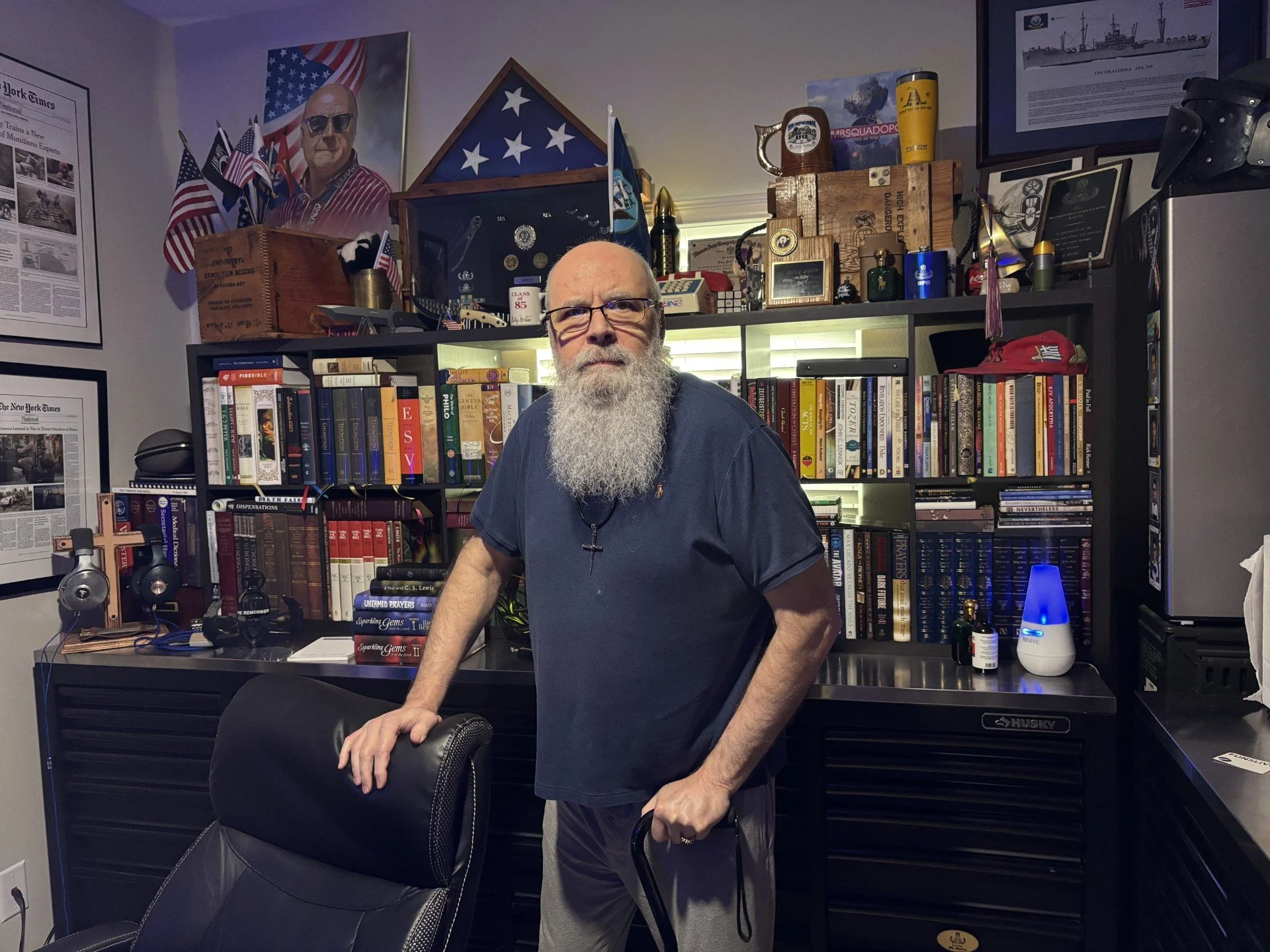
Billy’s Story: Finding Relief When Nothing Else Worked
Billy’s military service left him with lifelong physical consequences that traditional pain management couldn’t resolve. After exhausting every option, he discovered a form of relief that finally worked when nothing else did. His story reveals how finding relief transformed not just his body, but his life after service.
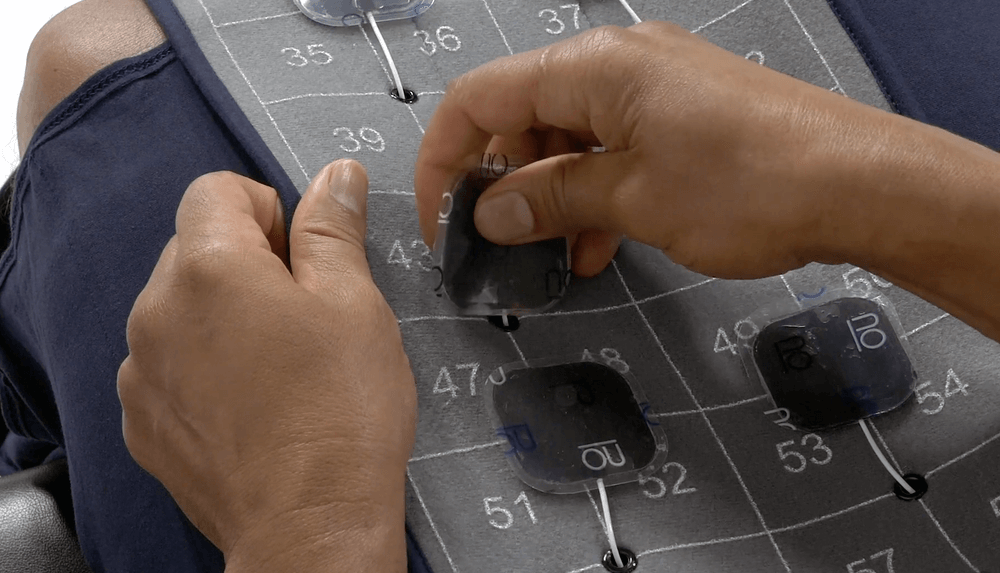
Feeling stuck without your usual electrode supply? RS Medical has you covered.
Whether you use the RS-4i Plus or another electrotherapy device, your treatment relies on the ability to get quality electrodes. But what happens if your usual source is no longer available? Or, you realize you’re on your last pair and can’t get a shipment immediately? If you’re concerned, here is a guide on how to avoid a gap in your supplies.
Doing What’s Right: Our Code of Conduct in Action
RS Medical’s Code of Conduct reflects a long‑standing commitment to ethical business practices, regulatory compliance, and patient‑first care. Learn how our values, quality standards, and accountability guide every decision we make.
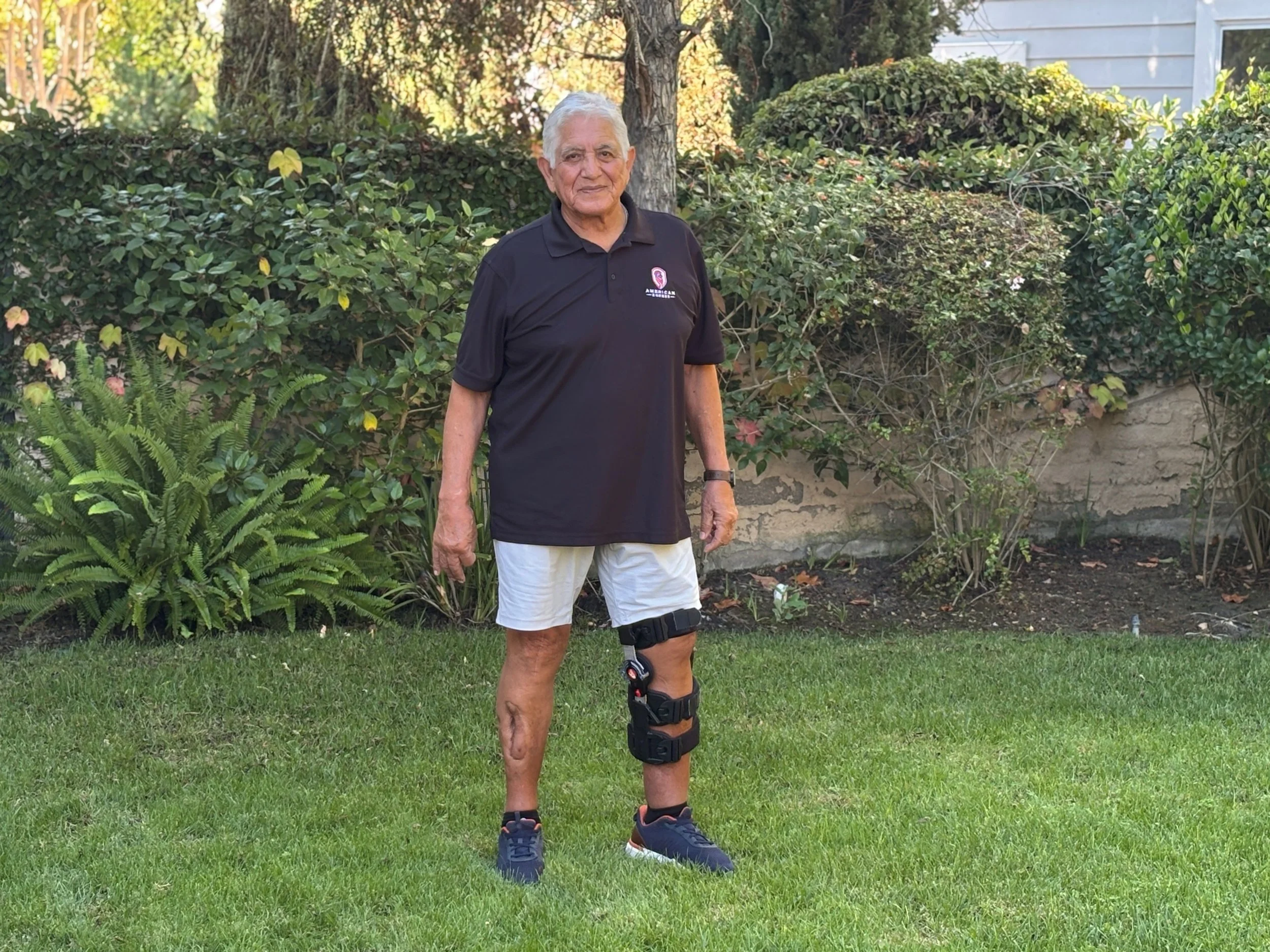
Manny’s Story: Wonderful Hours of Sleep After Decades in Pain
After decades of living with the physical effects of combat, Army Staff Sergeant Manny found relief he never expected. Wounded when his tank was struck by a rocket‑propelled grenade, Manny carried the pain of those injuries long after his service ended, disrupting both his daily life and his sleep. Years later, a treatment at the VA helped ease the lingering impact of those wounds, leading to what Manny describes as “wonderful hours of sleep” and a renewed ability to enjoy life at age 77.
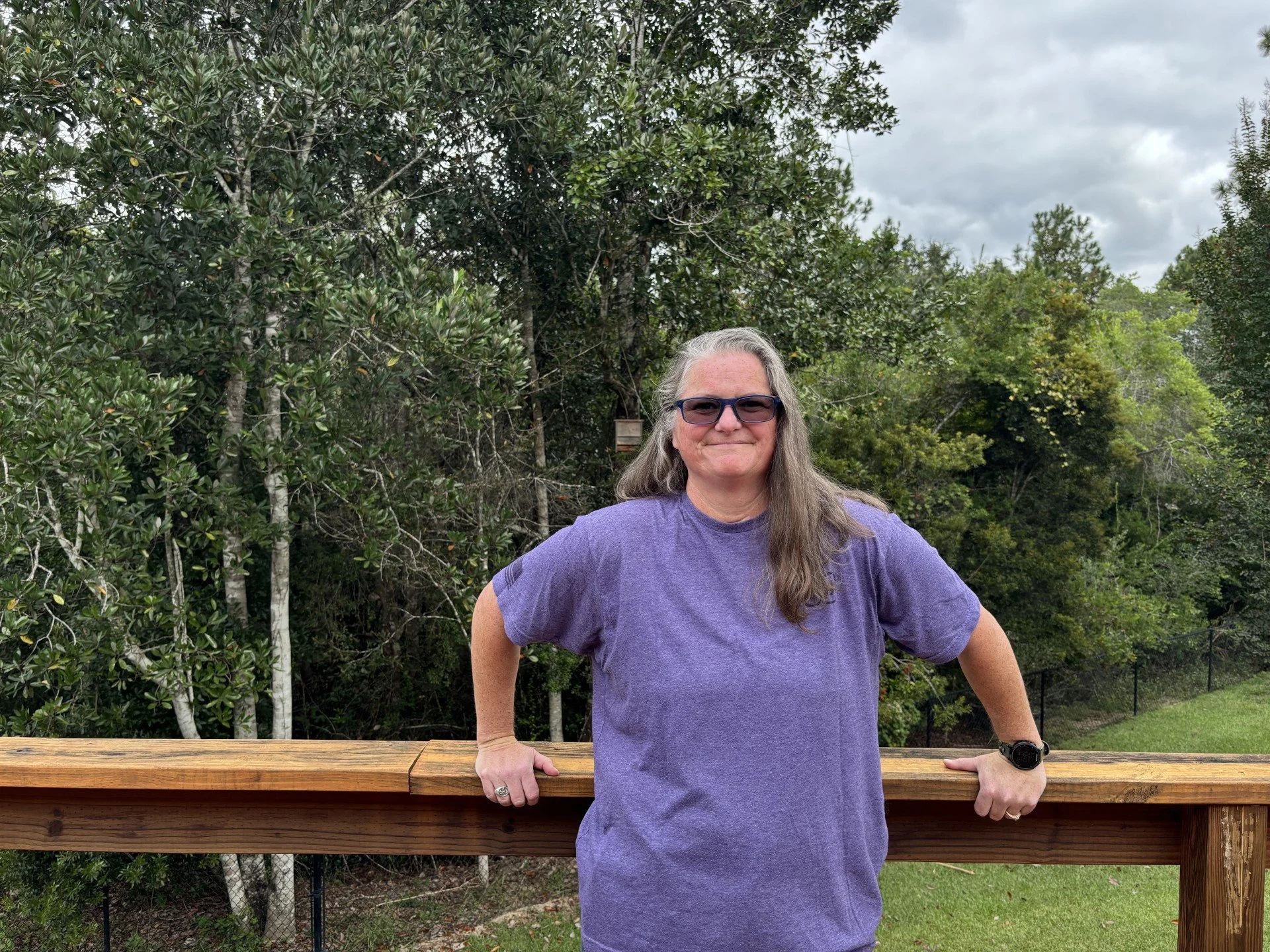
Kayley’s Story: “The RS-4i® Plus is the Eighth Wonder of the World”
Kayley’s search for relief after years of injuries, surgeries, and chronic pain took a turn when her Physical Therapist at the Buffalo VA introduced her to the RS‑4i® Plus with Intersperse. Despite initial skepticism, the device delivered real pain‑free relief—an overwhelming experience that continued even after treatment. Grateful for the impact it has had on her daily life, Kayley now calls the RS‑4i Plus “the eighth wonder of the world” and encourages others to explore this non‑invasive option for lasting pain management.

Break the Cycle of Back Pain Without Surgery
If you’re a patient living with chronic back pain, you may be researching whether there’s a surgical solution to your problems. If so, you may have already discovered that one option is an implanted spinal cord stimulator. And while this option may hold promise, it isn’t without risks. As you contemplate an SCS implant or other surgical procedures, or are even trying to delay or find an alternative to surgery, you should know there is a prescription-grade option that’s non-invasive and drug free, and provides real pain relief for 84 percent of patients who use it – the RS-4i® Plus.
Clinical Perspective: 4 Practitioners Share How the RS-4i® Plus Is Improving Patient Outcomes
Dr. John Edwards, Dr. David Majors, Dr. Eric Lee, and Dr. William Owens have years of experience and expertise treating musculoskeletal pain. These four practitioners share their experience prescribing the RS-4i Plus and discuss the impact it has had on patient outcomes.
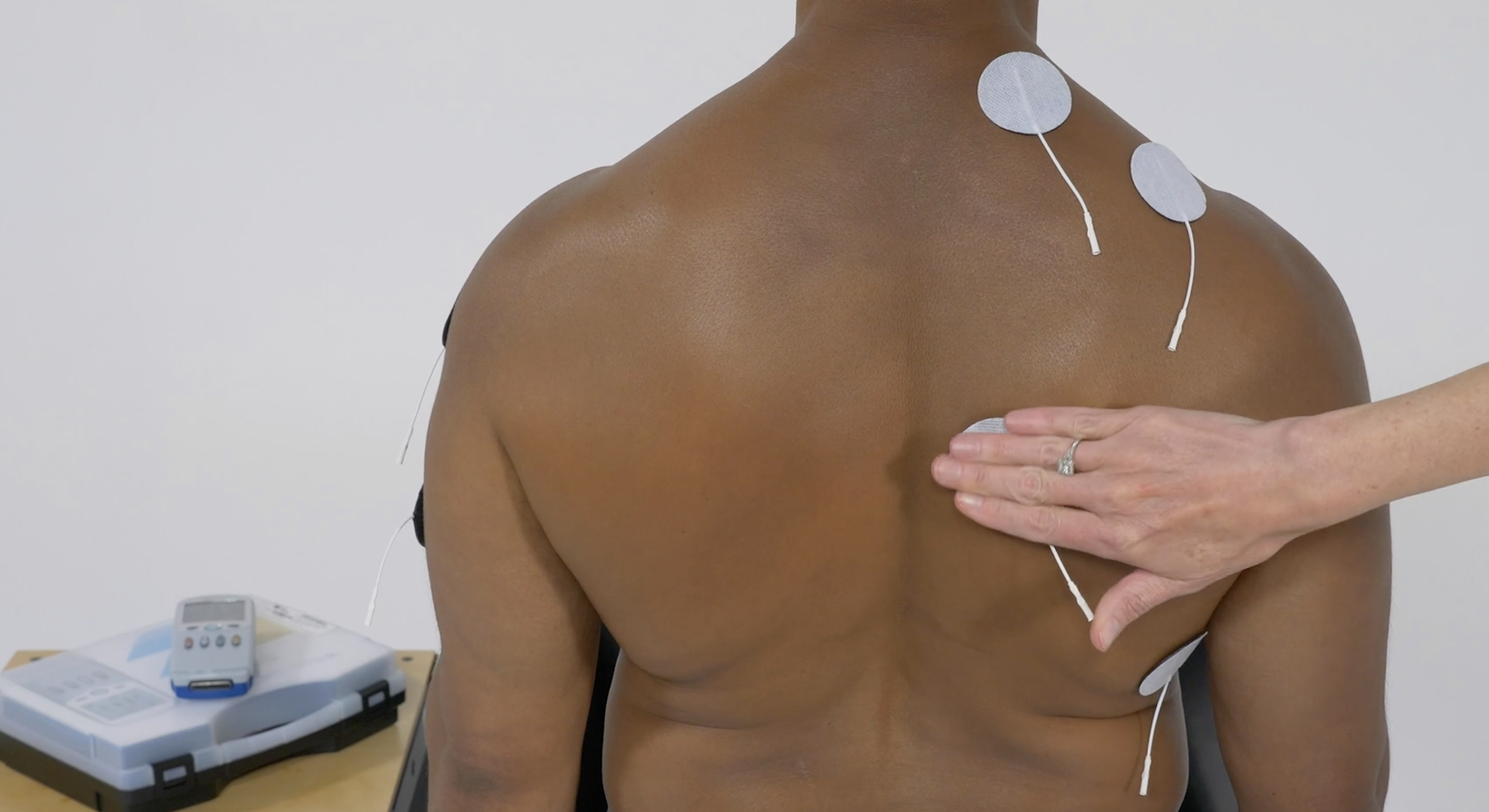
Getting the Longest Life From Your Electrode Pads
A key part of enjoying the benefits of pain relief and muscle rehabilitation from the RS-4i® Plus or other transcutaneous electrotherapy (TENS) devices is having a reliable supply of high-quality electrode pads. RS Medical’s electrodes are designed for optimal performance in at-home pain management, and this guide will help you get the longest life out of them.

Painsomnia & The Surprising Consequences for Long-Term Sleep Loss
Painsomnia - the inability to sleep due to pain - can be an exhausting, repetitive experience for those who live with chronic pain. While the name may sound amusing, the condition is anything but. If you’ve spent nights lying awake trying to find the best way to sleep with back pain, you’re not alone. Research shows you actually have a quite a bit of company, and there are steps you can take to break up the pain/sleep duo.

Treating Frozen Shoulder & Range-of-Motion Shoulder Injuries
Practitioners who care for patients with musculoskeletal pain know that shoulder injuries can present significant range-of-motion treatment challenges. Specifically, frozen shoulder often requires continuous physical therapy to “loosen” the joint.
Healthcare providers unfamiliar with the RS-4i® Plus may be interested to learn how this device can aid in treatment for patients suffering from frozen shoulder, as well as other painful shoulder conditions.

5 Reasons to Use the RS-4i® Plus for Sciatic Pain Treatment
Sciatica is a fairly common chronic back condition, affecting up to 40 percent of the population. While many cases resolve favorably, research suggests that roughly 1 in 4 patients will have persistent problems.
While OTC medications may provide a partial answer, another ideal choice for sciatica treatment at home is electrotherapy with the RS-4i® Plus. Not only is it non-invasive and non-opioid, it’s proven to be an effective tool for many patients – and it could be especially useful for those who find that their sciatic pain lingers.

The Connection Between Pain & PTSD
While the notion of PTSD has been with us for generations, it’s gained prominence as a national health concern over the past two decades. Symptoms can vary widely, and often include anxiety, depression and agitation. Studies also show that pain is commonly reported in people suffering from PTSD. The good news, though, is that there can be real, life-changing benefits to combating chronic pain. Learn this and more lifestyle tips for coping.

Traction is a Top Treatment Option for Cervical Conditions
With neck pain affecting a significant portion of US adults – 1 in 7 civilians and 1 in 5 Veterans – it’s no wonder that cervical issues appear in many provider patient populations. If not part of your practitioner treatment plan today, cervical traction is a therapy worthy of consideration and can be optimized to the patient’s needs in clinic or at home.